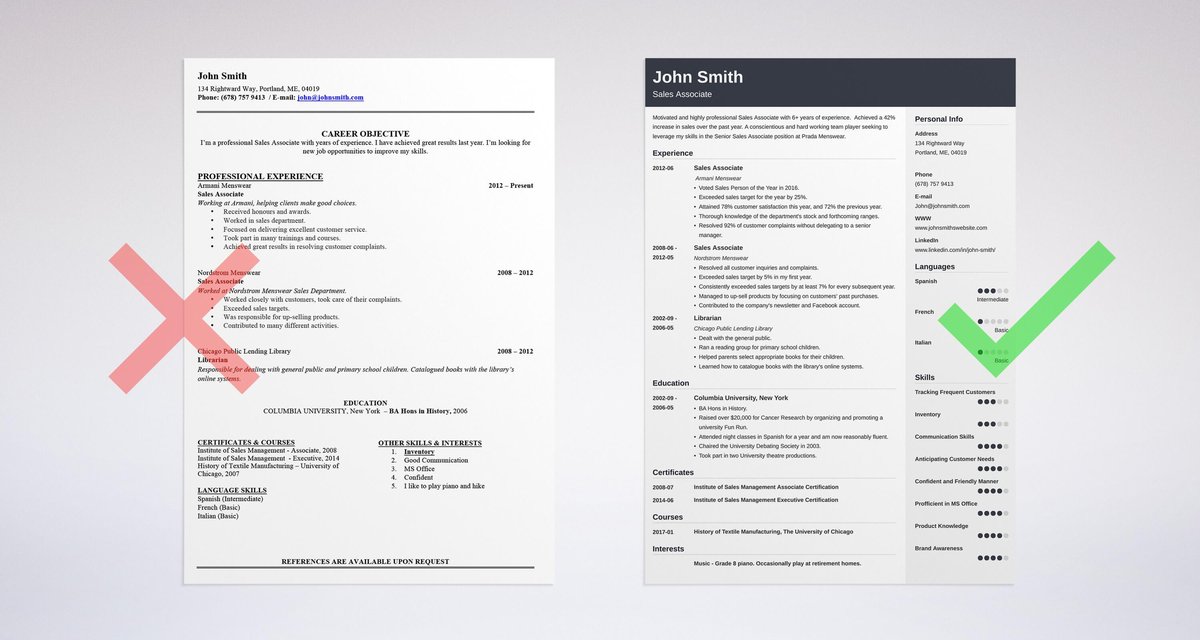
Imagine you're a recruiter, sifting through hundreds of resumes. Each one is a potential candidate, but time is short. How do you quickly decide who gets a closer look and who gets passed over? This is where a well-crafted resume summary becomes your secret weapon. It’s not just an optional add-on; it's a critical component designed to instantly communicate your value and compel a hiring manager to keep reading.
So, what is a resume summary, and why do you absolutely need one in today's competitive job market? Simply put, it's a concise, professional explanation of your most relevant experience and skills, strategically placed at the top of your resume to provide an immediate snapshot of your candidacy. Think of it as your personal marketing pitch, expertly condensed into a few powerful lines.
At a Glance: Why Your Resume Needs a Summary
- Grabs Attention Fast: Hooks recruiters in seconds.
- Synthesizes Your Story: Connects diverse experiences into a coherent narrative.
- Highlights Key Skills: Showcases your most relevant abilities upfront.
- Signals Relevance: Instantly communicates why you're a fit for this specific role.
- Sets the Stage: Prepares the reader for the detailed accomplishments that follow.
The Elevator Pitch for Your Career: What Exactly is a Resume Summary?
A resume summary is more than just a brief introduction; it's a strategic overture to your professional story. It functions as a concise, professional explanation of your experience and skills, meticulously designed to quickly grab a recruiter's attention and provide a compelling snapshot of your candidacy. Instead of forcing a hiring manager to dig through pages of bullet points, a strong summary synthesizes your most potent experiences and skills into a narrative form that’s both engaging and easy to digest.
Think of it this way: if your entire resume is a feature film, your summary is the thrilling movie trailer. It doesn’t reveal every plot detail, but it showcases the most exciting scenes, hints at the overall story arc, and leaves the audience (the recruiter) eager to see the full picture. It distills your professional identity, your core competencies, and your unique value proposition into a few impactful sentences, ensuring that your most compelling attributes are the first thing a potential employer sees.
More Than Just Words: Why a Resume Summary is Your Strategic Edge
In the fast-paced world of hiring, recruiters spend an average of just six to seven seconds scanning a resume before making an initial decision. That’s less time than it takes to tie your shoelaces. Without a clear, compelling summary, your most impressive achievements and skills might get lost in the shuffle, overlooked before they even have a chance to make an impression. This brevity is precisely why a resume summary isn’t just a good idea—it’s a non-negotiable strategic advantage.
Here’s why it matters:
- It Cuts Through the Noise: In an applicant pool overflowing with similar keywords and job titles, your summary is your opportunity to immediately differentiate yourself. It provides context and meaning to your subsequent bullet points, transforming a list of duties into a story of accomplishments.
- It Clarifies Your Value Proposition: For professionals with diverse job roles or those looking to connect seemingly unrelated experiences into a coherent career path, a summary is invaluable. It acts as a compass, guiding the recruiter to understand your overarching professional narrative and how your unique blend of skills and experiences aligns with their needs.
- It Addresses the "Why Me?" Question Proactively: Before a recruiter even asks, your summary answers the fundamental question: "Why is this person relevant to this role?" By highlighting your most pertinent qualifications right at the top, you demonstrate an immediate fit, boosting your chances of moving past the initial screening.
- It Optimizes for Applicant Tracking Systems (ATS): While written for human eyes, a well-optimized summary often includes key industry terms and role-specific keywords. This can help your resume sail through ATS filters, ensuring it lands on a human's desk in the first place.
Essentially, a resume summary is your opportunity to make a powerful first impression, transforming a cursory glance into a genuine interest. It’s how you take control of the narrative, ensuring that your most valuable assets are impossible to miss.
Decoding the DNA of a Powerful Resume Summary: Key Ingredients
An effective resume summary isn't just a random collection of professional-sounding words. It's a carefully constructed narrative built from specific elements designed to pack a punch. To truly excel, your summary needs to hit three critical notes: your experience, your impact, and your skills.
Your Story in Years: Experience at a Glance
The very beginning of your summary should orient the reader to your professional journey. This typically means quantifying your years of experience and often mentioning your most recent or relevant job title. This immediately establishes your professional level and area of expertise.
- Example Fragment: "Highly accomplished Marketing Director with 12+ years of experience..." or "Entry-level Data Analyst seeking to leverage academic background..."
This provides a foundational understanding of who you are and where you've been, setting the stage for the details to follow.
The Numbers Game: Quantifying Your Impact
This is arguably the most crucial component of a compelling resume summary. It’s not enough to simply state what you did; you need to demonstrate the results of your actions. Including major, preferably quantified, accomplishments and achievements is what elevates your summary from descriptive to impressive. Numbers speak volumes and provide concrete evidence of your value.
- Instead of: "Responsible for managing social media campaigns."
- Try: "Managed and grew social media presence, increasing engagement by 45% and driving 15% traffic growth year-over-year."
Quantifiable achievements show initiative, problem-solving abilities, and a direct contribution to business success. They make your claims tangible and your impact undeniable.
Skills That Speak Volumes: What You Bring to the Table
Finally, your summary should detail the important workplace and technical skills relevant to the job you’re applying for. These aren't just buzzwords; they're the capabilities that enable you to achieve the impacts mentioned above. Be specific and tie these skills directly to the role's requirements.
- Technical skills: These are your hard skills – expertise with specific tools, software, or tasks (e.g., Salesforce CRM, Python, project management methodologies, Adobe Creative Suite).
- Workplace skills: These are your soft skills – general professional attributes (e.g., exceptional communication, strategic problem-solving, cross-functional team leadership, client relationship management).
By weaving these three elements together – experience, impact, and skills – you create a holistic and persuasive overview that truly represents your professional identity and potential.
Summary vs. Objective: Knowing When to Shine (And When to Aim Differently)
The terms "resume summary" and "resume objective" are often confused, but they serve distinct purposes and are tailored for different career stages. Using the right one ensures your resume makes the most effective impression.
When a Resume Summary is Your Go-To
A resume summary is ideal for professionals with 3 or more years of experience, or for anyone looking to connect diverse job roles into a coherent career path. It primarily focuses on your past work experience, significant accomplishments, and relevant skills. It's backward-looking, highlighting what you've already achieved and how those achievements position you for future success.
If you have a track record of professional success, measurable achievements, and a clear career direction that aligns with the roles you’re pursuing, a summary is your most powerful tool. It speaks directly to your proven capabilities and establishes you as a credible, experienced candidate.
When a Resume Objective Makes More Sense
In contrast, a resume objective is preferable for recent graduates, entry-level job seekers, or those undergoing a significant career change. While it may include some summary-like information (e.g., relevant skills or academic achievements), its core focus is on outlining your specific career goals and what you seek in a role. It’s forward-looking, emphasizing your aspirations and potential rather than extensive past experience.
For someone just starting out, or transitioning into a new industry where their direct experience is limited, an objective helps frame their ambition and explain why they are interested in the position, even without a long history in that specific field. It shows intention and enthusiasm, guiding the recruiter to understand your future contributions.
Key Difference: A summary tells an employer what you have done and can do based on experience. An objective tells an employer what you want to do and hope to achieve, often implying potential when direct experience is lacking. Choose wisely to align with your career stage and goals.
Where and How Long? Mastering Placement and Brevity
Even the most compelling content can be lost if it's not presented correctly. The placement and length of your resume summary are crucial tactical considerations that maximize its impact.
Placement: Your Prime Real Estate
A resume summary always appears near the very top of your resume, usually directly under your contact information (name, phone, email, LinkedIn profile). This strategic placement ensures it's the absolute first thing a hiring manager sees, immediately setting the stage for the detailed experience that follows. Think of it as the headline of your personal brand, designed to capture attention before the reader dives into the "body" of your resume. Without it being front and center, its power as an initial hook diminishes significantly.
Length Guidelines: The Art of Conciseness
The goal of a summary is to be impactful, not exhaustive. Brevity is key. The ideal length will depend largely on your professional experience:
- For Less Than 10 Years of Experience: A crisp 1-2 sentence summary is typically sufficient, especially on a one-page resume. This forces you to distill your most critical qualifications into a potent, easy-to-digest statement. Every word must count.
- For More Than 10 Years of Experience (or very senior roles): You can expand slightly to a 3-5 sentence summary, particularly if your resume spans two pages. This allows you to encapsulate a broader range of significant achievements and leadership experiences without overwhelming the reader. Even with more sentences, the emphasis remains on high-level impact and relevance, not a chronological recounting of every role.
Remember, the purpose is to pique interest, not to tell your entire career story. A concise, well-structured summary respects the recruiter's time and encourages them to read further.
Crafting a Summary That Converts: Actionable Strategies
Now that you understand what a resume summary is and why it's essential, let's dive into the practical strategies for writing one that genuinely stands out and converts interest into interviews.
Speak Their Language: Tailor to the Job Description
This is perhaps the most critical piece of advice for any resume component. A generic summary is a wasted opportunity. You absolutely must review each job description thoroughly, identifying the key language, required responsibilities, and essential skills the employer is seeking. Then, meticulously highlight your experience and skills that directly match those requirements.
- Pro Tip: Look for specific keywords used in the job description. If they list "Hootsuite" as a required social media management tool, and you have experience with it, make sure that word appears in your summary. If "cross-functional team leadership" is a desired workplace skill, articulate how you've demonstrated it.
- Technical skills: Are they looking for expertise with specific software (e.g., Salesforce, SQL, Figma) or technical tasks (e.g., SEO optimization, data modeling)? Weave these in.
- Workplace skills: Do they value communication, problem-solving, strategic thinking, or client management? Integrate examples of these in action.
Tailoring shows you've done your homework and understand what the role demands, immediately positioning you as a strong fit.
Show, Don't Just Tell: Quantify Your Achievements
Abstract statements like "Helped customers" or "Managed projects" are weak. To make your summary truly impactful, you need to provide concrete data and numbers to back up your accomplishments. Quantification transforms vague claims into impressive evidence of success.
- Instead of: "Helped customers sign up for our platform."
- Use: "Onboarded 100+ new customers to our SaaS platform with a retention rate of over 75% in the first year."
- Instead of: "Managed a team."
- Use: "Led a team of 8 software engineers, increasing project delivery efficiency by 20%."
Quantifiable results demonstrate tangible value and make your contributions undeniable. If you don't have exact numbers, estimate reasonably or focus on the scope of your work (e.g., "managed a portfolio of 20 high-value clients").
Unleash the Power: Use Action Verbs and Strong Adjectives
The words you choose have immense power. Employ dynamic verbs and strong adjectives instead of passive phrases or weak modifiers to demonstrate initiative, competence, and impact. These power words inject energy and confidence into your summary.
- Action Verbs: Instead of "was responsible for managing," use "spearheaded," "managed," "developed," "implemented," "optimized," "launched," "negotiated," "achieved."
- Strong Adjectives: Instead of a generic "Project manager," describe yourself as a "Versatile project manager," "Results-driven marketing professional," "Innovative software engineer," or "Strategic financial analyst."
These words paint a vivid picture of your capabilities and make your summary more engaging and memorable.
A Perfect Blend: Structure and Flow
A good resume summary is typically 2-4 sentences long and expertly covers your experience, skills, and biggest achievements. Aim for a structure that flows logically, moving from your overarching professional identity to your key capabilities and then to your standout impact. This natural progression makes it easy for recruiters to digest your core value proposition.
Real-World Example: A Summary That Stands Out
Let's look at an example that successfully integrates these principles:
"Detail-oriented Technical Writer with 7+ years of experience in writing end-user documentation, specializing in user help guides. Excellent writing, analytical thinking, research, and time management skills. Rewrote over 80% of user help guides for 30+ products at Company X, resulting in a 42% decrease in product-related customer support calls."
Why this works:
- Experience: "Detail-oriented Technical Writer with 7+ years of experience..." – Immediately identifies the role and years of experience.
- Specialization/Skills: "...specializing in user help guides. Excellent writing, analytical thinking, research, and time management skills." – Highlights specific expertise and relevant workplace skills.
- Quantified Impact: "Rewrote over 80% of user help guides for 30+ products at Company X, resulting in a 42% decrease in product-related customer support calls." – Provides concrete numbers showing massive scope (30+ products) and a clear, positive business outcome (42% decrease in support calls).
- Action Verbs/Strong Adjectives: "Detail-oriented," "Excellent," "Rewrote" – powerful language that conveys competence.
- Concise: Achieves significant impact in just three sentences.
This summary quickly communicates the candidate's core identity, key skills, and impressive, measurable results, making a strong case for further consideration.
Common Pitfalls to Avoid in Your Resume Summary
While a powerful summary can be a game-changer, several common missteps can undermine its effectiveness. Being aware of these pitfalls can help you steer clear of them and ensure your summary truly shines.
- Being Too Vague or Generic: Phrases like "Highly motivated individual seeking challenging opportunities" tell the recruiter nothing specific about you. Your summary must be customized and unique, reflecting your specific skills and achievements, not boilerplate language.
- Simply Restating Your Resume: The summary's purpose is to synthesize and highlight, not to repeat every bullet point from your experience section. It should offer a high-level overview that entices the reader to delve deeper, not just a condensed version of what’s to come.
- Using Too Many "I" Statements: While it's your summary, avoid overusing "I am" or "I have." Professional summaries often imply the "I" without explicitly stating it, which can sound more formal and confident. For example, instead of "I am a detail-oriented manager," simply state "Detail-oriented manager with X years of experience."
- Typos and Grammatical Errors: A summary riddled with mistakes sends a clear message of carelessness, which is the last impression you want to make. Proofread meticulously, and then have someone else proofread it again.
- Making It Too Long: As discussed, brevity is key. A summary that sprawls beyond 3-5 sentences (depending on experience level) defeats its purpose of being a quick, impactful snapshot. It becomes a deterrent, not an invitation.
- Focusing on Duties, Not Achievements: Don't list responsibilities; showcase accomplishments. Recruiters want to know what you achieved, not just what your job description said.
By avoiding these common errors, you can ensure your resume summary functions as a powerful asset rather than a liability in your job search.
Your Next Step: Polishing Your Professional Snapshot
Crafting an impactful resume summary is a critical step in optimizing your job search. It's your initial handshake, your compelling opening statement, and your best chance to make an immediate, positive impression. By focusing on your experience, quantifiable impact, and relevant skills, and by meticulously tailoring it to each job application, you transform your resume from a simple document into a powerful marketing tool.
Remember, the goal is to make the recruiter's job easier by clearly demonstrating your value and fit within those crucial first few seconds. Don't underestimate the power of these concise sentences. Take the time to review, refine, and get feedback on your summary. Each word is an opportunity to impress.
Ready to distill your career into a powerful, attention-grabbing summary? Take the guesswork out of it and Generate your resume summary with tools designed to help you highlight your best professional self.